
Bear Den – All About bears
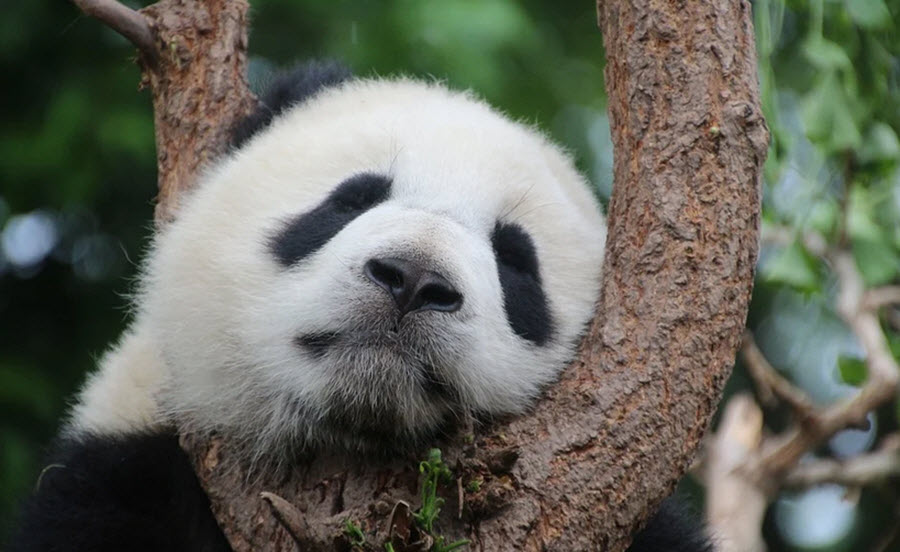
Bears are mammals belonging to the family Usidae. Today, there are eight different species of bear. Even though they belong to the order Carnivora, most bear species are omnivores and have very varied diets. The two exceptions are the polar bear and the giant panda. The polar bear is considered a carnivore rather than an omnivore, while the giant panda feeds chiefly on bamboo.
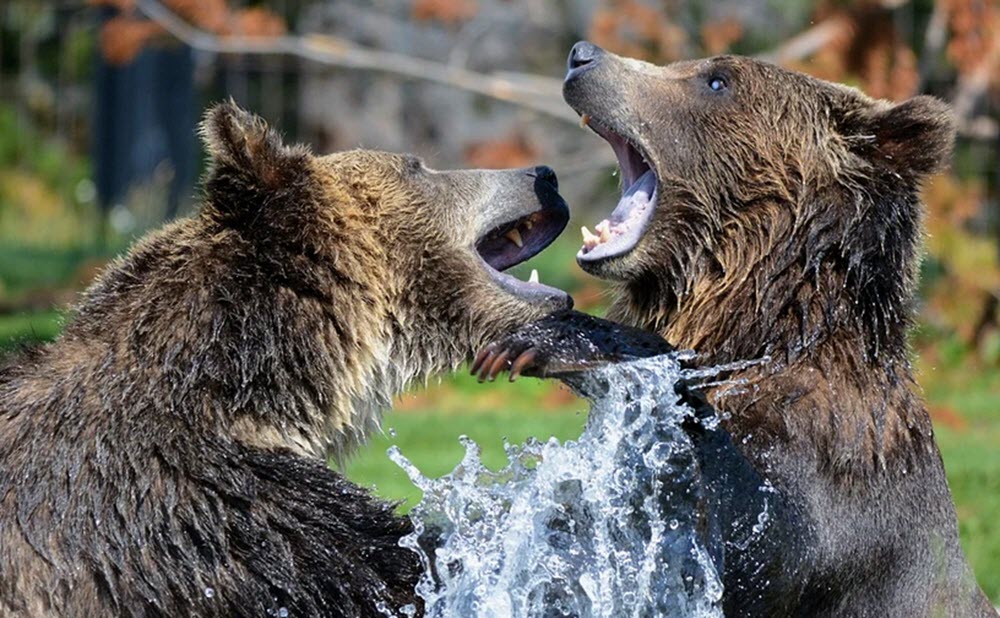
All eight species of bear are covered in shaggy hair and have large bodies and stocky legs. The tail is short, and the ears are small and rounded. The paws are plantigrade with five claws. Since the paws are plantigrade, the bear walks with its toes and metatarsals flat on the ground. Despite looking kind of chunky, bears are excellent runners, climbers and swimmers.
Bears tend to live alone unless they are courting or in the case of mothers caring for their young cubs.
Latest Bear Posts
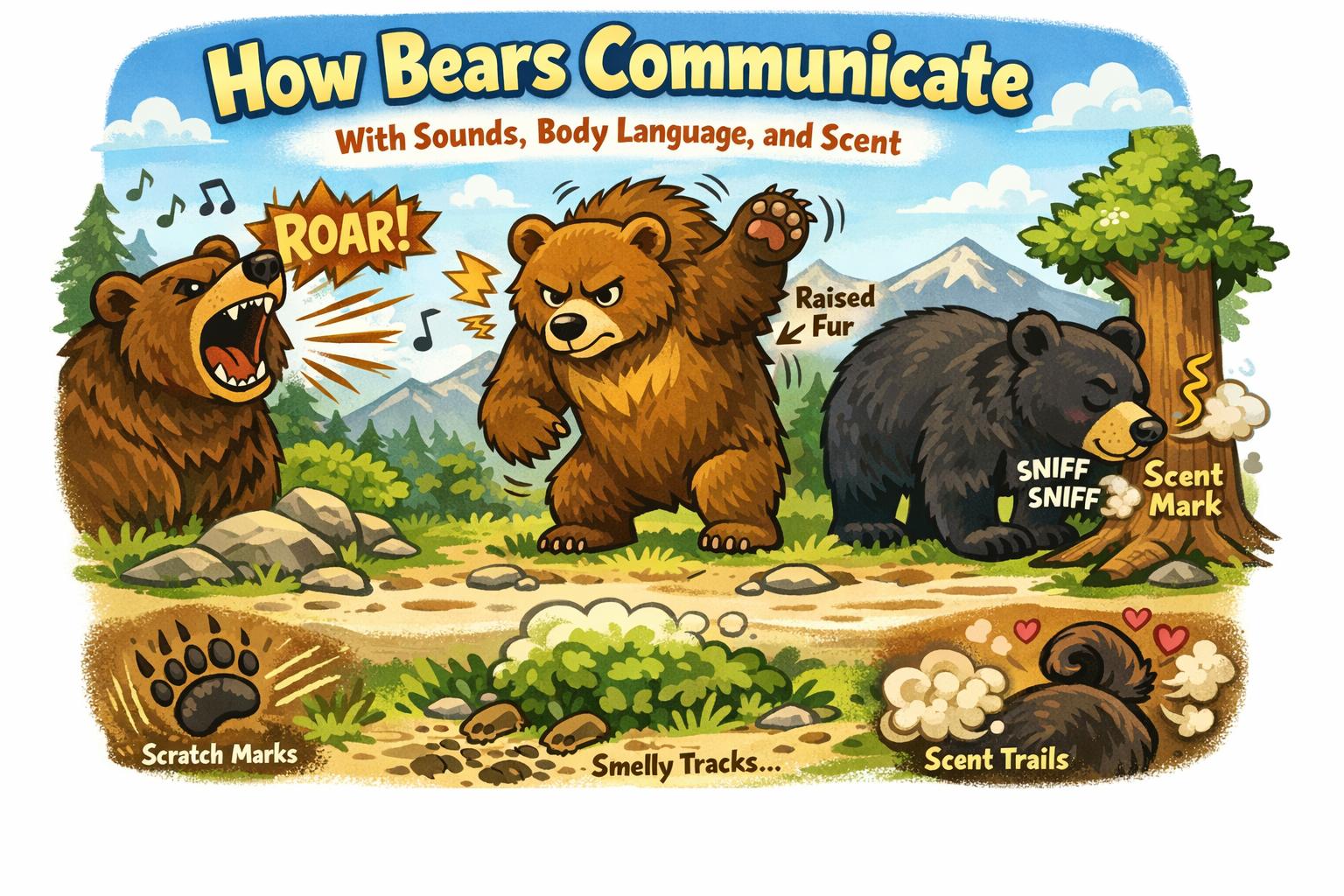
How Bears Communicate With Sounds, Body Language, and Scent
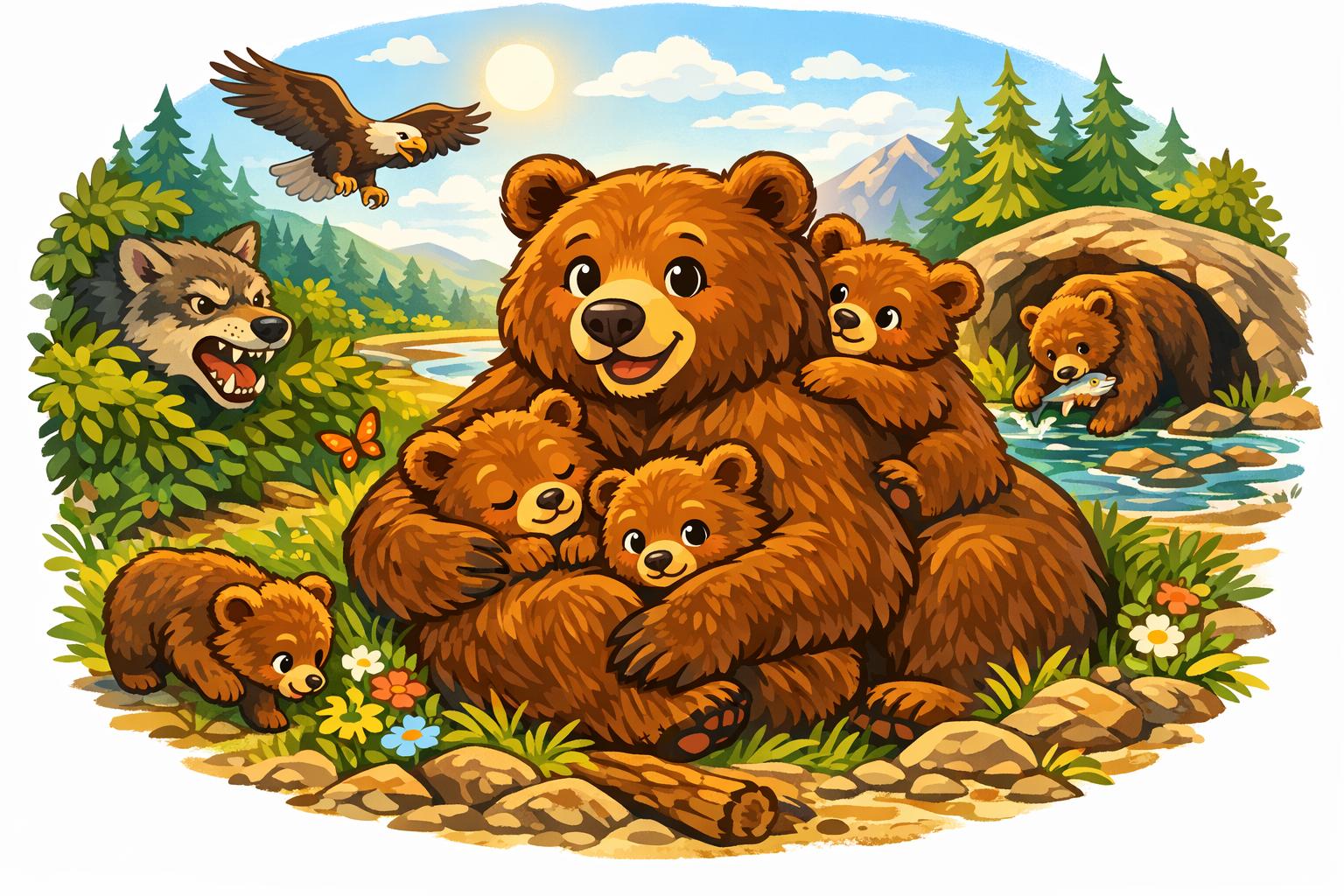
How Mother Bears Protect and Raise Their Young
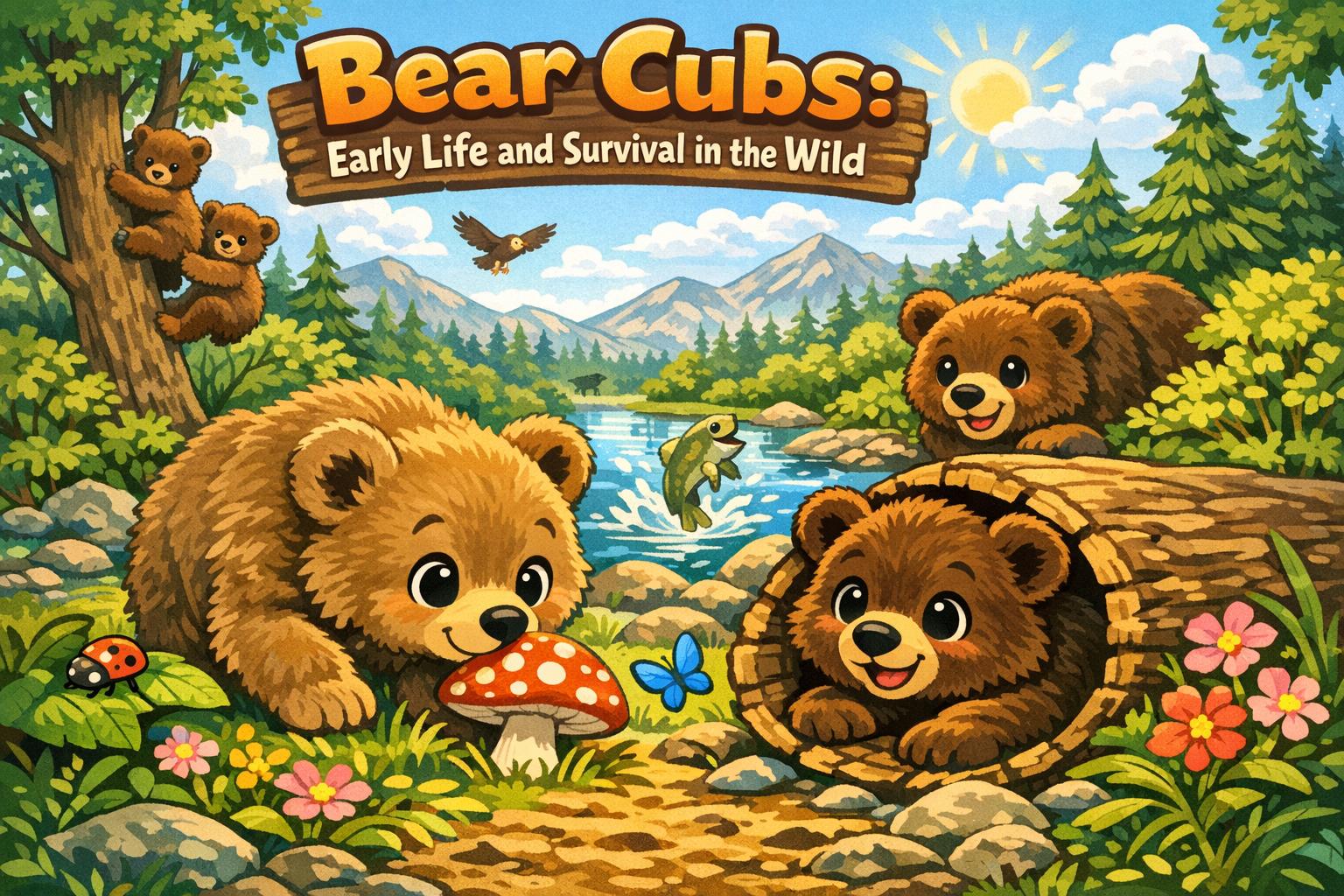
Bear Cubs: Early Life and Survival in the Wild

How Bears Use Smell to Find Food and Stay Safe
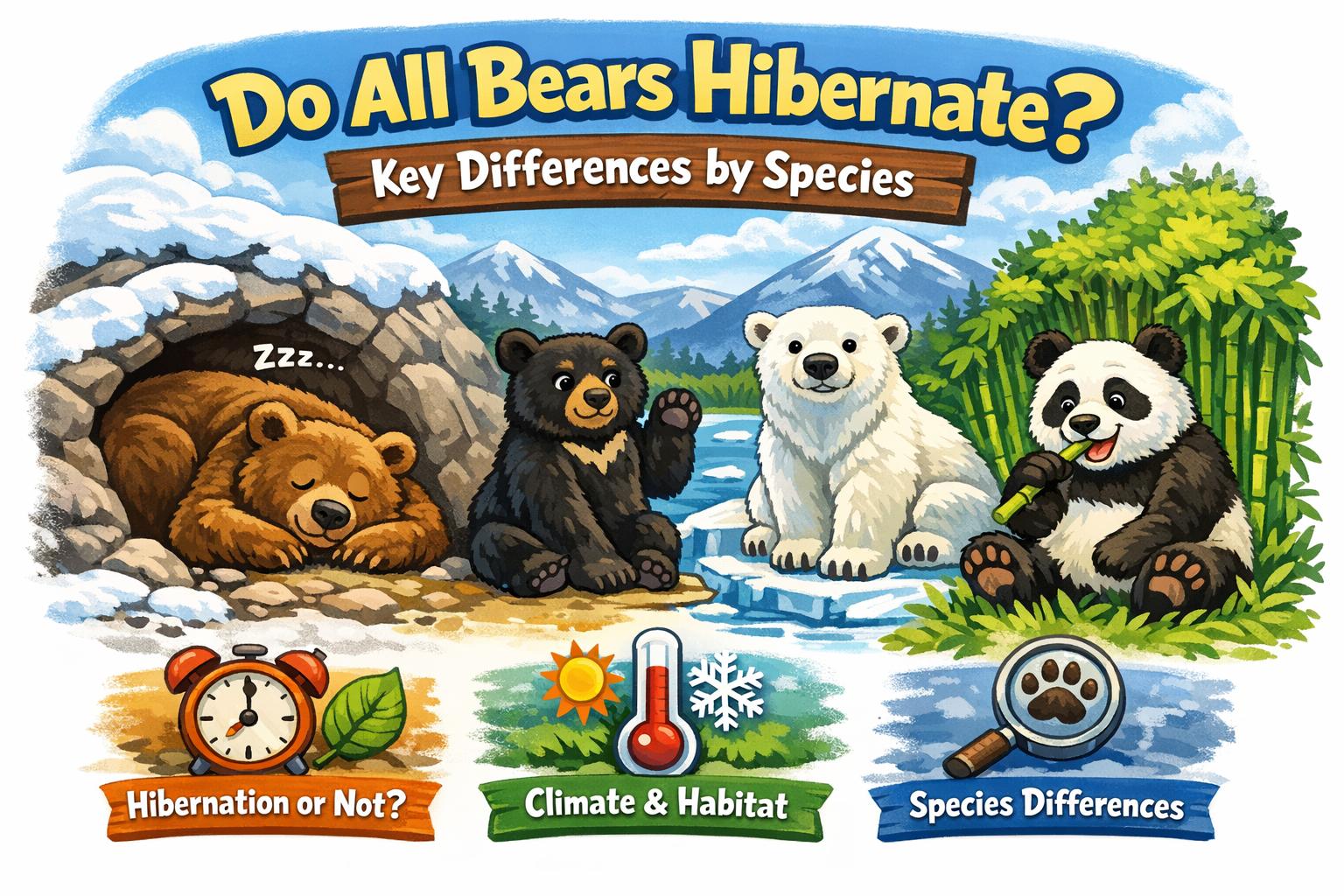
Do All Bears Hibernate? Key Differences by Species
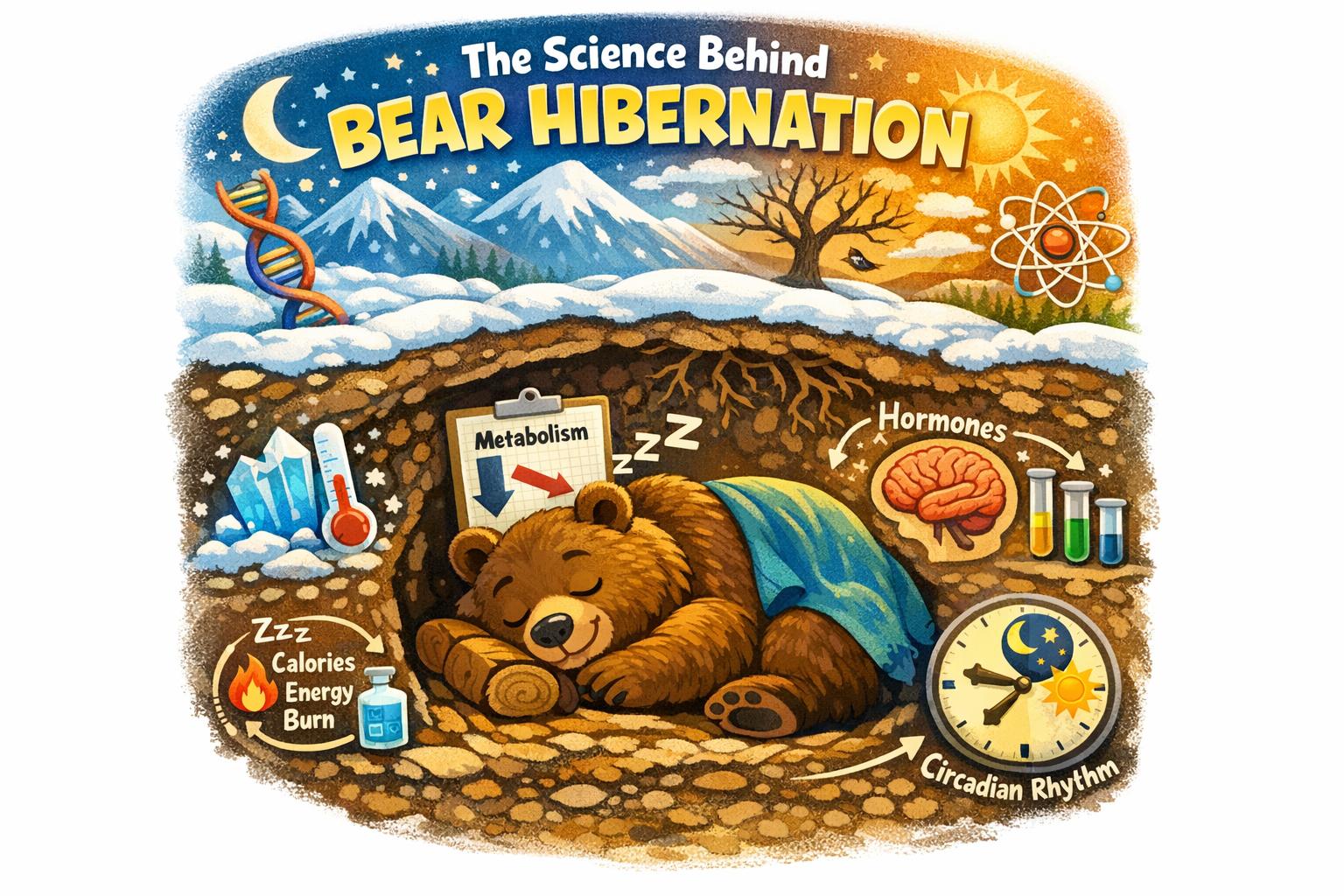
The Science Behind Bear Hibernation
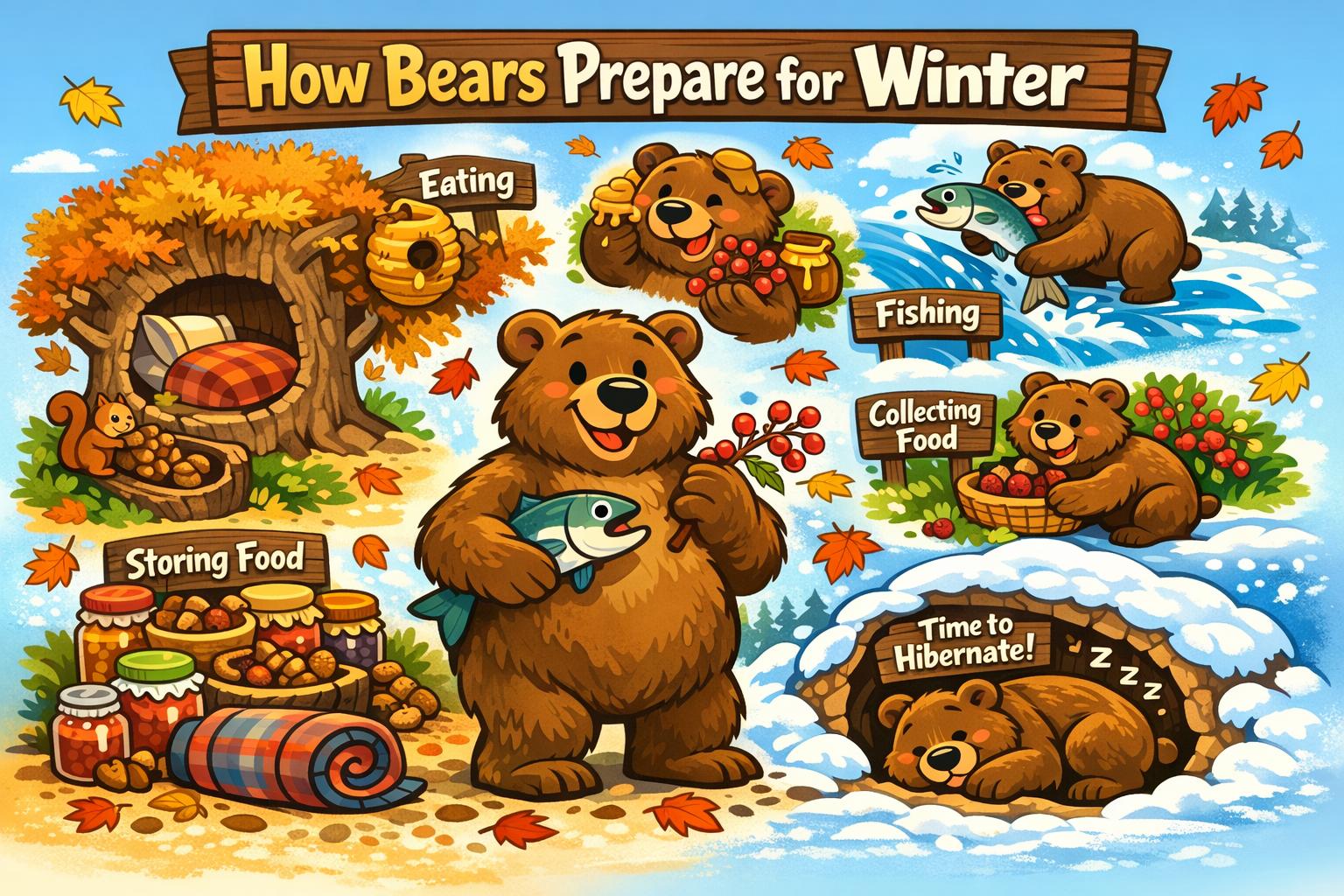
How Bears Prepare for Winter
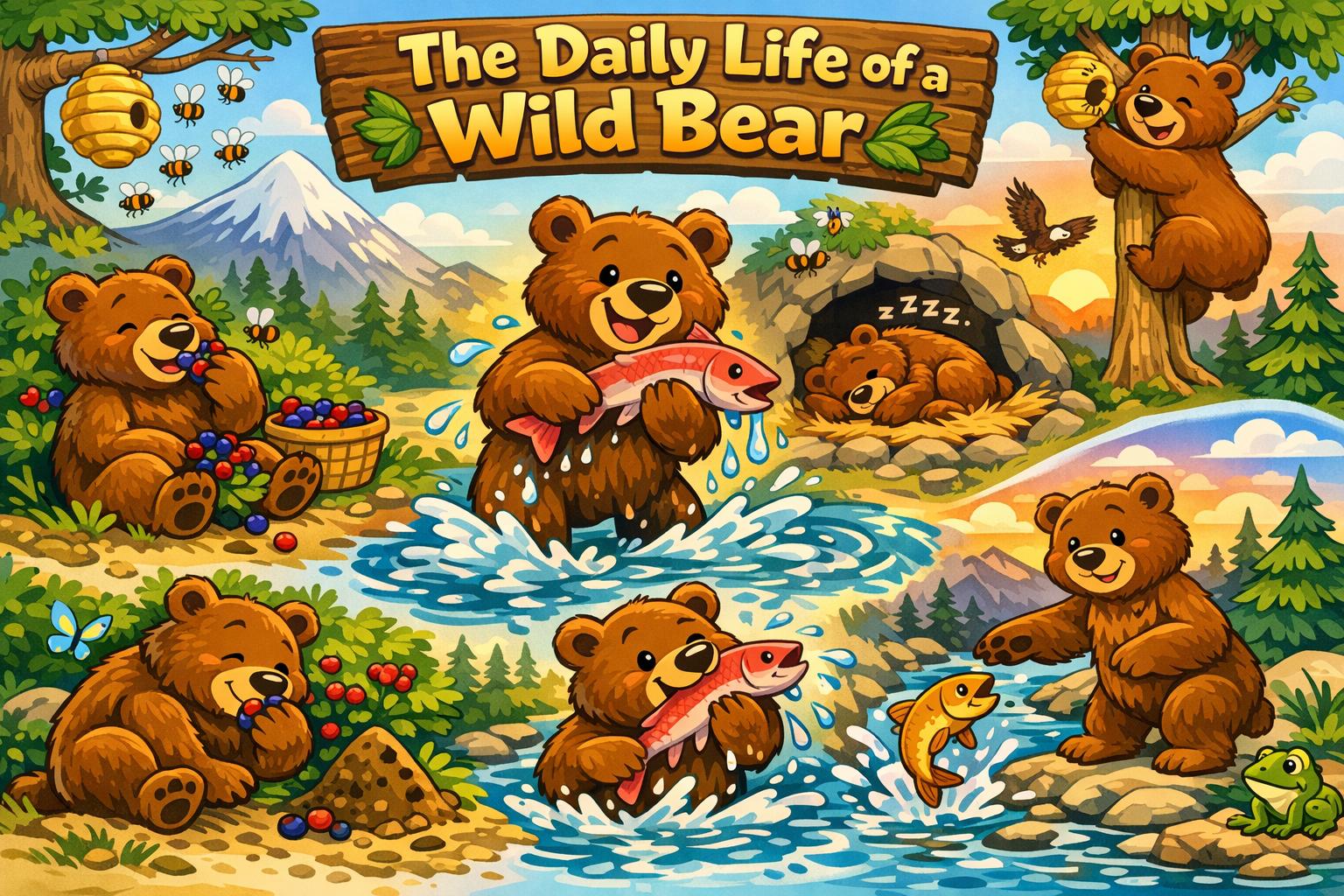
The Daily Life of a Wild Bear
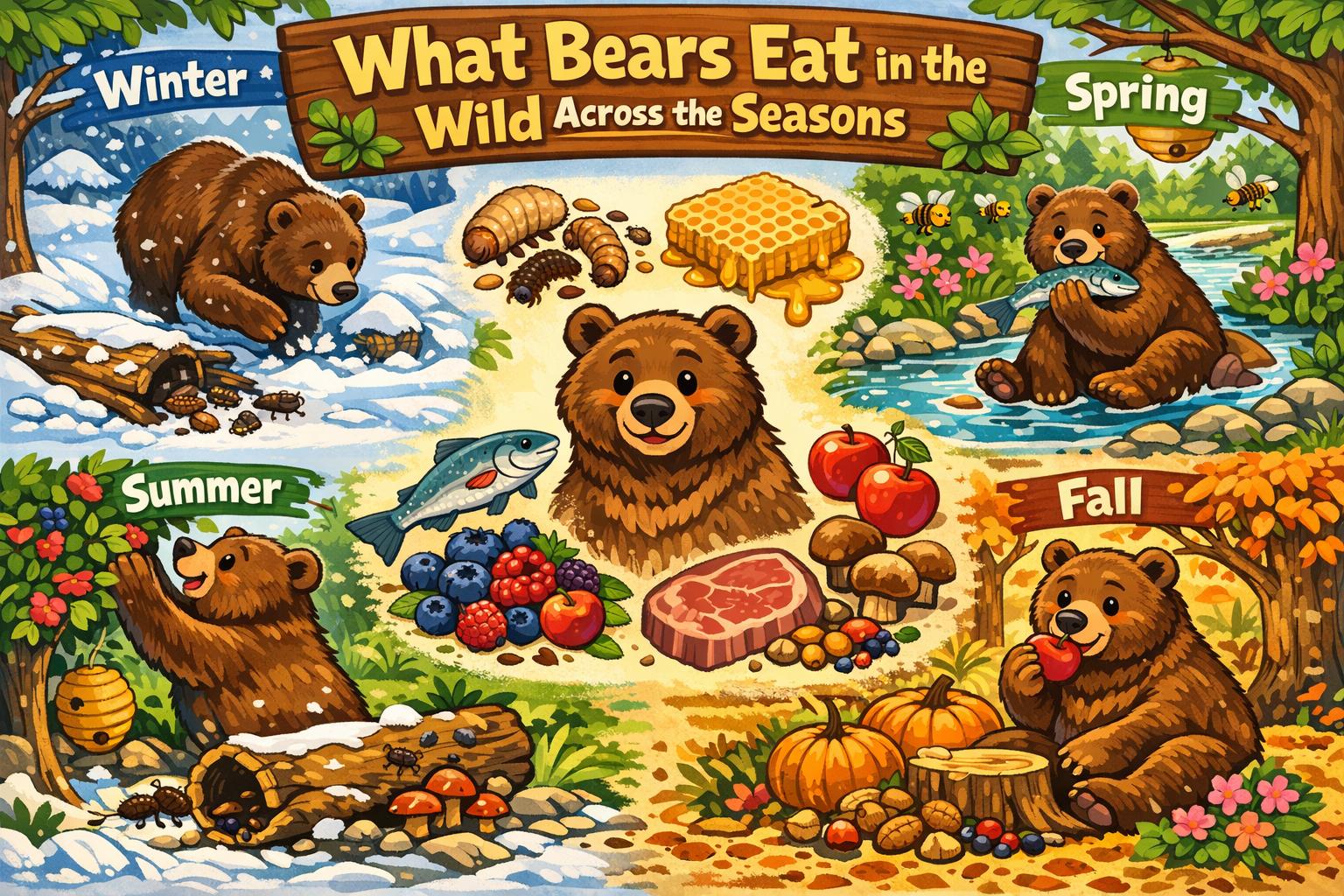
What Bears Eat in the Wild Across the Seasons
Scientific classification
Taxonomic Classification of Ursidae (Bears):
- Kingdom: Animalia
- Phylum: Chordata
- Class: Mammalia
- Order: Carnivora
- Infraorder: Arctoidea
- Family: Ursidae
The eight species
- American black bear (also known as North American black bear)
- Asian black bear (also known as Moon bear)
- Brown bear (including the grizzly bears)
- Giant panda
- Polar bear
- Sloth bear
- Spectacled bear (also known as Andean bear)
- Sun bear
Where?
Bears are found in Euroasia and the Americas. They used to be present in northern Africa as well, but are no longer. The Atlas bear – a subspecies of the Brown bear – lived in North Africa from Morocco to Libya but became extinct during the second half of the 19th century.
At the time of writing, 60 countries have at least one species of bear living wild there. Most of these countries are found in the Northern Hemisphere, but there are bears in the Southern Hemisphere as well.
The most widespread species of bear is the Brown bear, which can be found from Western Europe through Asia, and also in the western parts of North America.
Hibernation
Bears living in northern regions with cold winters hibernate to get through the winter season. A notable exception is the polar bear, who does not hibernate (but the cubs are born in dens).
During hibernation, the bear´s metabolism slows down, the heart rate drops far below the normal value and the body temperature decreases a little bit. During hibernation, a bear can survive a long period without eating, drinking, urinating or defecating. A faecal plug forms in the colon and is pushed out in spring when the bear has woken up and is moving around again.
The bear will try to store a lot of body fat before entering into hibernation. If it is fat enough, its muscles will still be in good condition when it wakes up in spring, as the bear´s body will recycle waste urea during hibernation to provide the muscles with protein.
At a Glance: Bear Species Hibernation Matrix
Torpor physiology, winter dormancy periods, geographic exceptions, and year-round active species
| Bear Species | Hibernation Status | Winter Torpor Duration | Ecology, Diet & Physiological Reasons |
|---|---|---|---|
| Brown Bear Ursus arctos (Grizzly, Kodiak) | Yes – Obligate | 4 to 7 Months (Oct/Nov – Apr/May) | Enters deep seasonal torpor to survive northern winter sub-zero temperatures and total food scarcity (berries, roots, salmon runs freeze over). Heart rate drops from 40–50 bpm down to 8–12 bpm. |
| American Black Bear Ursus americanus | Yes – Latitude Dependent | 2 to 7 Months (0–2 mos in Florida/Mexico) | Remarkable metabolic recyclers: they do not urinate or defecate all winter, converting urea into proteins. Southern populations (Florida, coastal areas) with continuous forage often remain active all winter. |
| Asian Black Bear Ursus thibetanus (Moon Bear) | Yes – Regional | 3 to 5 Months (Nov – Mar/Apr) | Northern populations in Russia, Japan, and northern China den inside hollow trees or rock caves. Populations inhabiting tropical southern Asia (Thailand, Laos) stay active year-round due to stable fruit supplies. |
| Polar Bear Ursus maritimus | Only Pregnant Females | 3 to 4 Months (Maternity denning only) | Males and non-pregnant females do not hibernate; winter is their prime hunting season because sea ice forms, granting access to seals. Only pregnant sows build snow maternity dens to give birth and nurse cubs. |
| Giant Panda Ailuropoda melanoleuca | No – Non-Hibernator | None (0 Days) (Migrates down slopes) | Bamboo provides very little caloric density and almost no fat reserves, making fat storage for hibernation physically impossible. Pandas must feed 10–16 hours every single day, migrating to lower elevations in winter. |
| Sun Bear Helarctos malayanus | No – Non-Hibernator | None (0 Days) (Equatorial habitat) | Native to Southeast Asian tropical rainforests where cold seasons do not exist. Food (insects, honey, fruit, small lizards) is continuously available throughout all 12 months. |
| Sloth Bear Melursus ursinus | No – Non-Hibernator | None (0 Days) (Subcontinent range) | Inhabits the Indian subcontinent. Their primary diet consists of colonial termites, ants, and tropical fruits that remain accessible year-round, eliminating any evolutionary need for seasonal torpor. |
| Spectacled (Andean) Bear Tremarctos ornatus | No – Non-Hibernator | None (0 Days) (South American Andes) | South America’s sole native bear species. Lives in Andean cloud forests with temperate year-round conditions and feeds primarily on bromeliads, palm hearts, and fruit without winter interruptions. |
What do Bears Eat?
Bears are surprisingly flexible eaters, with diets that vary by species and season. Most bears are omnivores, munching on a mix of plants, insects, and animals. For example, American black bears love berries, nuts, roots, and insects, but they’ll also eat small mammals and scavenge for leftover animal carcasses if they find them.
Grizzlies take things up a notch—they’re known for their fishing skills during salmon runs and can pack away hundreds of pounds of fish to bulk up for winter. Polar bears are the outliers; they’re almost entirely carnivorous, relying mainly on seals for their fat-rich diet. So, while all bears need a variety of food to survive, each species has its own menu based on where it lives and what’s available.